Azul Charts Ambitious Course: 2027 International Expansion & Confirmed Independence from Gol Merger
Azul S.A., one of Brazil's leading airlines, is setting its sights firmly on a future of robust international growth, with an ambitious target to significantly expand its global footprint starting in 2027. This strategic vision, unveiled by CEO John Rodgerson, comes on the heels of the company’s successful financial restructuring and a definitive decision to move forward independently, firmly establishing that
Azul descarta fusão Gol (Azul rejects a merger with Gol). This rejection signals a new era of confidence and self-sufficiency for the airline, driven by a healthier balance sheet and a modern, cost-efficient fleet.
A New Financial Horizon: Stronger, Leaner, and Independent
The foundation for Azul's forward-looking strategy lies in its remarkable financial turnaround. Having successfully emerged from its Chapter 11 restructuring process, akin to judicial recovery in Brazil, Azul has significantly reduced its debt burden. Rodgerson highlighted that the company's liabilities from loans and financing were slashed by approximately $1.1 billion, complemented by a substantial 40% reduction in aircraft lease obligations. This leaner financial structure has empowered Azul to navigate the competitive aviation landscape with renewed vigor and strategic autonomy.
The CEO underscored that this financial rejuvenation has eliminated the prior necessity for a merger. Before Chapter 11, such a combination might have been considered to address high indebtedness. However, with a revitalized balance sheet and optimal leverage, Azul no longer sees a strategic imperative in joining forces with Gol. "It's not on the table," Rodgerson asserted, emphasizing that the company emerged from the process "with less debt and a healthier company." This independent stance is crucial for understanding Azul's strategic trajectory moving forward. For more details on this pivotal decision, read
Azul Rejects Gol Merger: Stronger After Chapter 11 Recovery.
Further bolstering its capital structure, Azul confirmed recent investment inflows from major U.S. carriers. American Airlines and United Airlines are each set to acquire an 8% stake in Azul through $100 million investments. While the American Airlines agreement awaits approval from Brazil's Administrative Council for Economic Defense (Cade), these strategic partnerships not only inject capital but also signify strong confidence from international industry giants in Azul's long-term prospects. These alliances could also pave the way for enhanced codesharing and network connectivity, benefiting passengers with broader travel options.
Fleet Modernization: Paving the Way for Efficient Expansion
A cornerstone of Azul's 2027 international expansion plan is its ongoing, comprehensive fleet modernization program. This initiative, set to conclude this year, is designed to enhance operational efficiency, reduce costs, and improve the passenger experience.
*
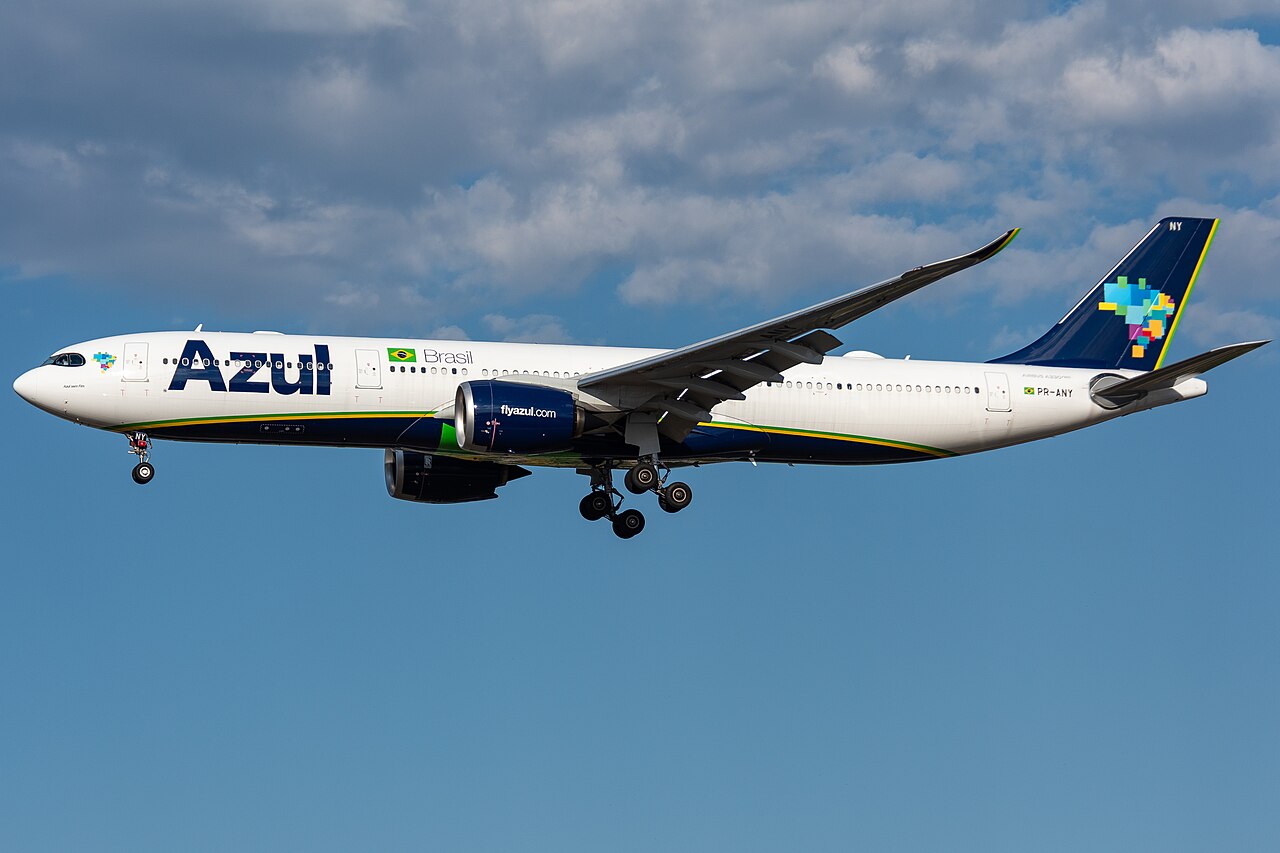
Next-Generation Wide-Body Aircraft: Azul is poised to receive two brand-new A330neo aircraft directly from the factory in the coming months. These state-of-the-art jets are renowned for their fuel efficiency, extended range, and superior passenger comfort, making them ideal for long-haul international routes.
*
Phased Retirement of Older Models: Concurrently, the airline will systematically return older, less efficient aircraft that carried higher leasing costs. This six-month transition period ensures a seamless shift, minimizing disruption while maximizing the economic benefits of the new fleet. Rodgerson highlighted that the new models boast significantly lower operational costs, a critical factor for sustainable growth.
*
Continuous Embraer Deliveries: Beyond its long-haul jets, Azul will continue to strengthen its regional network with the consistent delivery of five to six new Embraer aircraft annually. These versatile jets are perfect for connecting secondary cities within Brazil and expanding into new, smaller international markets.
*
Reactivation of Parked Aircraft: To further optimize its existing resources, Azul plans to reactivate three aircraft currently sidelined due to technical issues, bringing its active fleet beyond the current 175 aircraft mark.
This strategic fleet overhaul is not merely about new planes; it’s about creating a technologically advanced, economically viable fleet that can support ambitious expansion plans while delivering a superior travel experience. Passengers can look forward to quieter cabins, more comfortable seating, and potentially more direct routes as these modern aircraft enter service.
The Path to International Growth: A Measured and Strategic Approach
While the allure of international expansion is strong, Azul is adopting a prudent, phased approach. The focus for 2026 remains on operational reorganization – integrating new aircraft, optimizing its network, and ensuring the company is financially stable and operationally robust before embarking on significant external growth. "We will continue to grow internationally, but this will be more from 2027, not in 2026," Rodgerson confirmed.
Azul already boasts a solid international presence, operating routes to key destinations in the United States and Europe, alongside South American cities like Montevideo and seasonal services to Bariloche. The upcoming expansion will build upon this foundation, carefully identifying new markets that offer strong demand and strategic alignment. The delay until 2027 is a calculated move to ensure that every aspect – from fleet readiness to network optimization and financial health – is perfectly aligned for sustainable, profitable growth. This methodical strategy is a testament to Azul's commitment to long-term success rather than rapid, potentially risky expansion. It underscores the airline's independent and strategic flight path, as explored in
Azul's Independent Flight: Reduced Debt, New Investors, No Gol Merger.
Why the Gol Merger Is Off the Table: A Strategic Clarification
The question of a merger with Gol, particularly with the Abra Group (controller of Gol and Avianca), had been a prominent topic in the Brazilian aviation market. However, Azul has unequivocally drawn a line under these discussions. The initial non-binding Memorandum of Understanding (MoU) signed in January did not progress, and Azul officially announced the termination of these negotiations in late January, also ending its commercial cooperation (codeshare) agreement with Gol.
As Rodgerson explained, the context has fundamentally changed. Before Azul’s Chapter 11 process, a merger might have been viewed as a necessary consolidation strategy to tackle industry challenges and high indebtedness. However, with Azul's dramatically improved financial health – a significantly reduced debt load and a much healthier balance sheet – the strategic rationale for such a combination has vanished. The company no longer perceives a need for a business combination to secure its future. This firm rejection highlights Azul’s newfound confidence in its standalone strength and its ability to compete and thrive independently. For passengers, this means Azul will continue to forge its unique path, focusing on its distinct service model and network strategy.
Conclusion
Azul's declaration of intent for international expansion from 2027, coupled with its firm stance against a merger with Gol, paints a clear picture of a confident, financially resilient, and strategically independent airline. With a modernized fleet, a significantly strengthened balance sheet, and a clear operational roadmap for the coming years, Azul is poised to capitalize on new opportunities in the global aviation market. The focus on efficiency, cost reduction, and careful preparation underscores a strategic approach designed for sustainable growth. As 2027 approaches, travelers can anticipate exciting new routes and an enhanced flying experience from an airline that has truly redefined its trajectory.