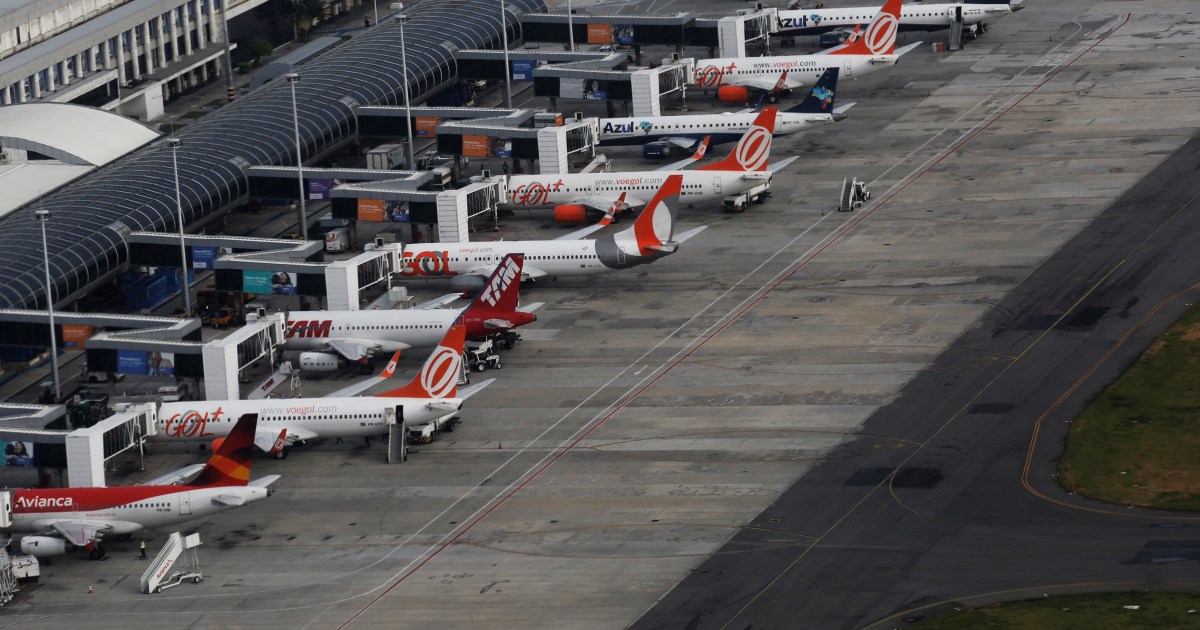
Azul's Independent Flight: Reduced Debt, New Investors, No Gol Merger
Azul Linhas Aéreas, a prominent player in the Brazilian aviation sector, is charting an independent and financially robust course following a significant period of restructuring. With a substantially reduced debt burden and fresh capital injections from major international airlines, the company has unequivocally ruled out a merger with rival Gol, opting instead to focus on fleet modernization and strategic international expansion. This decisive stance marks a new chapter for Azul, characterized by financial stability and a clear vision for autonomous growth.
A New Chapter: Azul's Strong Financial Rebound and Debt Reduction
The recent statements from Azul's CEO, John Rodgerson, underscore a remarkable turnaround for the airline. After successfully emerging from its Chapter 11 restructuring process – a mechanism akin to judicial recovery in Brazil – Azul has significantly strengthened its balance sheet. The recovery process led to a staggering
reduction of approximately $1.1 billion in loan and financing debts, alongside an impressive 40% decrease in aircraft lease obligations. This financial overhaul has fundamentally reshaped the company's risk profile and operational capacity.
Rodgerson highlighted that the prior consideration of a merger with Gol's controlling entity, Abra Group, was primarily a defensive strategy born out of a period of high indebtedness. However, with Azul now boasting a healthier balance sheet and a significantly lower leverage ratio, such a combination is no longer deemed necessary. "It's not on the table. We exited the process with less debt and a healthier company," Rodgerson affirmed, clearly signaling the company's newfound confidence and self-sufficiency. This powerful financial rebound is the bedrock of Azul's independent strategy, directly informing why
Azul Rejects Gol Merger: Stronger After Chapter 11 Recovery.
Strategic Alliances and Investor Confidence
Further solidifying Azul's independent trajectory is the strategic investment from two global aviation giants: American Airlines and United Airlines. Each of these U.S.-based carriers is set to acquire an 8% stake in Azul through a $100 million investment. This significant financial backing is more than just capital; it's a powerful vote of confidence from industry leaders, validating Azul's business model and its potential for future growth.
For American Airlines, the agreement still awaits approval from Brazil's Administrative Council for Economic Defense (Cade), a standard regulatory step for such substantial cross-border investments. These alliances not only provide Azul with vital capital but also open doors for potential future collaborations, codeshare agreements (beyond the recently terminated one with Gol), and expanded network reach through their respective global partnerships. The investments signify that leading international players see immense value in Azul's independent strategy and its dominant position in the Brazilian domestic market.
Modernizing the Fleet for Future Growth and Efficiency
A cornerstone of Azul's forward-looking strategy is an aggressive and comprehensive fleet modernization program. The airline is set to receive two brand-new A330neo aircraft from the factory in the coming months, which are celebrated for their superior fuel efficiency and lower operating costs. Simultaneously, Azul will be phasing out older aircraft with higher lease expenses, a transition expected to be completed over approximately six months. This strategic exchange directly translates into enhanced operational efficiency and substantial cost savings.
Beyond long-haul jets, Azul continues to bolster its regional fleet with new Embraer aircraft, expecting five to six deliveries annually. The company is also reactivating three planes that were previously grounded due to technical issues, further expanding its active fleet, which currently stands at 175 aircraft. This fleet renewal and expansion is critical for Azul's long-term operational resilience and competitive edge. The emphasis on modern, efficient aircraft is a key component of how
Azul Eyes 2027 International Expansion & Fleet Modernization.
Preparing for International Expansion: 2027 and Beyond
While Azul already operates international routes to the United States, Europe, Montevideo, and seasonally to Bariloche, the airline has a clear, phased strategy for expanding its global footprint. CEO Rodgerson stated that significant international growth is slated for 2027, following the completion of the fleet transition and operational reorganization in 2026.
The year 2026 will be dedicated to:
*
Aircraft Replacement: Completing the swap of older, less efficient planes for newer models.
*
Network Reorganization: Optimizing routes and schedules to maximize efficiency.
*
Financial Preparation: Ensuring the company is financially robust for secure expansion.
This disciplined approach ensures that Azul's international growth is not only ambitious but also sustainable, built upon a solid foundation of financial health and a modern, cost-effective fleet. Passengers can look forward to a more modern flying experience and potentially new international destinations as Azul systematically executes its growth plans.
Charting an Independent Course: Why the Gol Merger is Off the Table
The persistent speculation regarding a potential merger between Azul and Gol has finally been put to rest. Azul formally announced the termination of negotiations with Abra Group Limited, the controlling entity of Gol and Avianca. These talks, which had been formalized in a non-binding Memorandum of Understanding (MoU) signed in January, did not advance, leading to their definitive conclusion on January 25th. This means that
azul descarta fusão gol is now a definitive corporate strategy.
Rodgerson's explanation for this decision is clear: the underlying rationale for a merger has evaporated. Before entering Chapter 11, a combination of the two airlines might have been considered a viable solution to address high debt levels. However, with Azul's successful recovery, reduced indebtedness, and strengthened capital structure, the company sees no strategic necessity for such a move. The financial restructuring has liberated Azul from the imperative of seeking external solutions for its balance sheet challenges.
Furthermore, Azul also confirmed the termination of the commercial cooperation agreement (codeshare) with Gol, which had been in place since May 2024. However, Azul reassured the public that all tickets issued under the codeshare regime would be honored normally, minimizing any disruption to passengers. This move further underscores Azul's commitment to an independent operational strategy and a clear distinction from its competitor.
This independent path reflects a calculated decision based on a dramatically improved financial standing and a clear strategic vision. Azul is no longer a company seeking a lifeline but a robust entity poised for expansion under its own terms, free from the complexities and potential cultural clashes that often accompany large-scale mergers.
Conclusion
Azul's definitive decision to forgo a merger with Gol marks a pivotal moment in its history. Fueled by a successful financial restructuring that slashed over a billion dollars in debt and secured significant investments from American Airlines and United Airlines, Azul is firmly committed to an independent trajectory. The airline's focus on fleet modernization throughout 2026 will pave the way for a financially secure international expansion beginning in 2027. This disciplined, forward-thinking strategy positions Azul as a resilient, self-reliant leader in the aviation market, ready to expand its reach and deliver value to its shareholders and passengers alike. The sky, it seems, is wide open for Azul's independent flight.